Showing posts with label gifted students. Show all posts

Monday, April 1, 2024

College admissions for gifted students: Emotions, uncertainty, and decisions


April 1st can seem like consolation day for many gifted high school seniors. And it's no joke. 


College admissions offers have been received, and many families learn on April Fool's Day that their gifted child will not be attending the college of their choice. With acceptance rates less than 10% at many highly selective colleges, even exceptional students are shut out. 


When gifted children are young, many parents assume that high school success will translate into an array of college choices. Many are shocked and bitter when their child is rejected from a wide range of schools. They may believe they have been deceived and betrayed; their child’s hard work and effort was ignored, and raw talent and ability overlooked. 


I wrote a similar article about college admissions ten years ago. Both of my kids were in college and had already weathered the college application process. Despite some fun times visiting a variety of colleges, waiting for acceptances and then narrowing down their choices was... shall we say, a challenge. Fortunately, they landed at great schools that seemed an ideal fit for their social and academic needs.


Over the past year, I have spoken with parents whose children applied Early Decision to their dream school in hopes this would increase their odds of admission. These teens are all amazing, lovely, accomplished students with great potential. Yet, all were rejected. 


Those whose children applied for regular decision have all likely received their notifications. Some may be elated. Many might feel both excited and anxious about choosing between several colleges where they were accepted. But some are left to feel angry and deflated and must settle for a "safety" school they never assumed they would attend.


Why do so many gifted children get rejected from colleges they are presumably qualified to attend?


When highly selective colleges are inundated with applications, they have to draw the line somewhere. They have quotas, priorities and long-range goals, along with financial burdens. While most would likely prefer to admit the most talented, high-achieving students they can find, selecting who fits this criteria is complicated. And the sheer number of academically successful applicants is astonishing. National Merit Finalist Valedictorians with stellar SAT's are viewed as commonplace, and most will be rejected without some additional compelling qualifications. 


College admissions officers at these selective schools will tell you they are seeking a well-rounded, diversified class of students. They claim to use “holistic admissions,” viewing the whole student and not just grades and SAT scores. Yet, this term is often used as a thinly veiled excuse for achieving quotas based on geographic location, ethnicity, and athletic ability, along with wealth, and legacy connection (otherwise known as “hooks”). The highly publicized college admissions cheating scandal several years ago pointed to the dark side of college admissions, along with the extent some parents will go to advance their child's career. 


While many families rage about the unfairness of admissions policies, the reality is that most “unhooked” students will get rejected by many of their top choices. A Forbes article from over a decade ago highlights the disingenuous admissions process. Not much has changed over the past decade.


What if your child is still in the college-planning process?


Gifted students often need to create a profile that is quite exceptional and well beyond the norm. When a gifted, high-achieving student does not possess the "hooks" that boost the likelihood of acceptance, they will need to stand out from the crowd. This is especially true for those who attend public school or are homeschooled, since many private schools have counselors dedicated to maintaining connections with elite colleges. A 4.0 and top SAT scores may prompt a closer look, but without other outstanding qualifications, the elite, tippy-top schools will toss their application into the rejection pile. 


To garner a "second look," students need an application that conveys a depth of ability and achievement, such as performing independent research, excelling at college courses (taken as part of dual enrollment), exceptional mastery in the arts, awards from science fairs or other demanding competitions, or truly innovative extracurriculars or volunteer work. Sometimes, they need all of the above to demonstrate both breadth and intensity of focus. Their efforts need to clearly convey their aptititude as well as their motivation to tackle unique and challenging work.


But not all gifted students need to attend one of the elite, tippy-top colleges!


Before applying to highly selective colleges, parents need to clearly understand their child's social, emotional, and academic needs. They also must consider their child's realistic chances for admission. Look at the highest percentiles for acceptance rates at the colleges in terms of grades, SAT scores and other requirements. If your child is in that range, he or she may stand a chance. But realize that acceptance to an ivy league or comparable school (such as Stanford or MIT), is almost impossible to predict. There are a lot of benefits for gifted students at these elite colleges (including exceptional financial aid); however, there are many great colleges out there that should not be overlooked.


It is essential that gifted students identify less competitive schools that would be a good fit and would readily welcome them. Many schools offer honors programs and other specialized tracks that can provide a great education. Gifted students can excel wherever they go and will find mentors, excellent professors and innovative programs that can stimulate their creativity. Attachment to a "dream" school is a set-up for disappointment in the capricious, uncertain world of college admissions.


A note to current seniors:


If you have just received your letters of admission, hopefully you are relieved and excited. If you received rejections, it is important to appreciate the competitiveness of these schools and not assume it is a reflection on your abilities. It may not seem fair that you didn't get into the school of your choice. But you can use your abilities to thrive wherever you go. And perhaps this experience will help you gain perspective and develop resilience when facing future challenges. Good luck with your decisions!


Photo above is courtesy of to Unsplash/Tim Gouw


** For more insights about parenting gifted children, please see my book, The Gifted Parenting Journey. Available through the publisher and the usual bookseller sites, this book addresses a previously neglected topic in the literature: the needs and emotional life of parents of gifted children. For more information about this book, snippets from editorial reviews, and upcoming workshops and book events, please see this link.**

Tuesday, March 28, 2023

Five tips for communicating with your gifted child's teacher


One of the greatest stressors parents of gifted and twice-exceptional children face involves battles with the school. Yes, battles. Of course, working with the school shouldn't be adversarial. But sometimes it can seem like an uphill slog as you attempt to enlist the school's support.


Advocacy can be a daunting task. It is an unexpected additional burden that parents of the gifted must endure. No parent wants to aggravate the teacher entrusted with their child's education. No parent wants to be seen as pushy or elitist or demanding. No parent wants their efforts to backfire; teachers are human and might feel angry or hurt, or even take out their frustrations on your child if they suspect that their competence or motives are under attack. 


(*For resources related to parenting support, see this link about an upcoming workshop listed below.*)


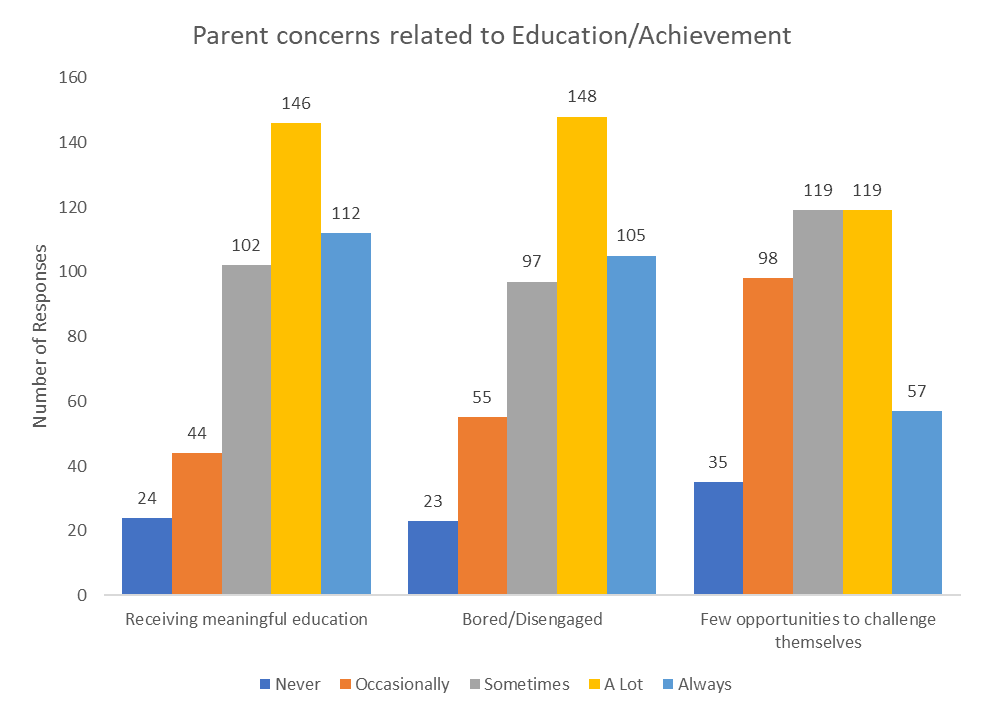
Findings from an online survey I launched in 2022 - with results shared in my recent book - confirmed that parents clearly struggle with concerns about their child's school. For example, 60.2% worried "a lot" or "always" about whether their child would receive a meaningful education, whether they were bored or disengaged (59.1%), and whether they would have opportunities to challenge themselves (40.1%). 


These findings are consistent with previous research. For example, Renati and colleagues noted that 50% of parents surveyed complained about a lack of school support, and Alsop reported that less than 20% of parents viewed their child's teacher as helpful. Rimmlinger also found that one of the greatest identified stressors among parents stemmed from a lack of gifted support available within their child's school.


How can you form a collaborative working relationship with your gifted child's teacher? 


1. Assume that the teacher is your ally. 

Let's face it; teachers don't enter the profession for financial gain! Most embark on their teaching career with enthusiasm and a selfless desire to work with children. Even when they feel burned out, they rise to the occasion and show up each day to teach our kids. Remind yourself of their dedication and positive intentions as you advocate for your gifted or twice-exceptional child's needs. Present yourself as an ally in their efforts; let them know that you appreciate their commitment and hard work understand the limitations consistent with education within a large classroom. When your child's teacher misses the mark, remind yourself that it is not intentional, but perhaps, due to the stressful demands of the classroom or limited training in gifted education and giftedness.


2. Avoid using the "boredom" term.

Teachers want their students to feel engaged. In reality, though, meeting the demands of students with diverse cognitive abilities is a monumental challenge. As long as schools adhere to a policy of "differentiated instruction" and a refusal to consider ability grouping, teachers face impossible choices each day. Do they address the unique needs of struggling students, frustrated gifted students, or the majority of neurotypical students within the classroom? As parents, we know that our gifted children often feel bored, since most teachers cannot easily pivot from their lesson plan to address the faster pace and depth of learning these students crave. But no teacher wants to hear that a student is bored. Instead, share specific complaints, such as how much your child's mind wanders, that they become distracted during specific topics or assignments, or that they rush through homework with little effort.


3. Share what works at home.

Let your child's teacher know what strategies work best at home. This provides guidance for what also might help within the classroom. Does redirection work? Do creative strategies (e.g., drawing what they feel) provide a beneficial outlet? Does your child need a quick energy break when frustrated? Sometimes, children "hold it together" and display ideal behavior in school, but "meltdown" within the safety of home. Their distress at school may be less apparent; nevertheless, they may show signs of disengagement, such as constant doodling, heads on their desks, or staring out the window. Share the signs you notice at home that precede a full-blown behavioral eruption and the intervention you find works best. 


4. Address behavioral and emotional concerns

If your child is displaying disruptive behaviors within the classroom, more intervention is needed. Behavioral problems and inattention are signs that your child is disengaged - and these behaviors take a toll on their teacher as well. Let the teacher know that you understand how difficult and frustrating this is for them and engage with them as an ally. If your child struggles with anxiety or perfectionism or twice-exceptional concerns, such as ADHD or a learning disability, help the teacher devise strategies for offering support. Sometimes, a guidance counselor or school psychologist can be enlisted to develop a plan and monitor progress, and an  IEP (Individualized Education Plan) may be necessary to document the need for additional support. On another note, even if your child is not disruptive, you can mention that behavioral problems might arise if they feel disengaged. This realistic concern might motivate your child's teacher to offer more engaging and challenging assignments.


5. Offer cost-effective solutions

It's not your job to find budgetary solutions. I know, I know. Many parents of gifted children are weary and resentful about the amount of time spent advocating and figuring out solutions that ideally should come from school administrators. In the gifted parenting survey mentioned earlier, 41% of parents claimed that they felt resentment "a lot" or "always" about the necessity of advocating within the schools. Nevertheless, if you can suggest a cost-effective option, your child's needs may be met more readily. For example, subject or grade acceleration options cost nothing. Clustering highly able students together within the classroom when group projects are required is an easy choice. Let the teacher know that you understand the limits of what can be accomplished in a given day and that you are there to suggest as many easy and inexpensive options as possible.


Of course, even with the best of intentions, sometimes communications break down. If you reach an impasse, it may be time to speak with the gifted supervisor, the director of special education, a guidance counselor, the principal, or administrators and school board members. But working with your child's teacher first is ideal - and less time intensive for you. And don't forget to enlist support from family, friends, and others who advocate for the gifted as you venture forth in your advocacy efforts.


Here are a few related articles:

Gifted education: Why is it so controversial?

Three essential tips for teachers of gifted children

25 signs your gifted child is misunderstood at school

Six tips for communicating with your gifted child's teacher


Tuesday, February 22, 2022

When you compare your gifted child to others

One thing parents of gifted children quickly realize is that their child is, well… different. Although bursting with intellectual smarts, astonishing talents, creativity, empathy, and insatiable curiosity, they also frequently manifest traits that can be a challenge. Many struggle with deficits in executive functioning skills that create roadblocks to success. Some underachieve, despite their capabilities. Still others struggle in their relationships with peers; impatient, socially awkward, immature, or discouraged by social norms that make no sense to them. While others may be in awe of your child’s abilities, they also notice the quirks and delays. As they witness behaviors consistent with asynchronous development, they scratch their heads. How can such an advanced child behave like someone three years younger? How can such a smart kid lack common sense? You may have trouble finding adults who “get it” and with whom you can commiserate or share your fears and worries.


Although you recognize that all children differ, with varying strengths and challenges, it is tough to watch your child struggle – or lag behind their peers. You want to appreciate and accept your child completely, quirks and all, yet you can’t help but compare. The dichotomy between their remarkable talents and their social immaturity, intensity, heightened sensitivity, and signs of asynchronous development can be daunting. All parents compare their child; it goes with the territory. But sometimes, comparisons evoke troubling and painful emotions: embarrassment, disappointment, shame, and envy. You might wish your child were more mature... or less complex... or require a lot less of your time and energy. 
And when your child accomplishes something astounding, but other kids take center stage, it leaves you wilted, confused, and perhaps, guilty over your reactions. As a result, parents of gifted children struggle with powerful emotions – often, with few outlets for support.

One of our greatest challenges as parents involves recognizing when we compare our child to others, and then coping with the uncomfortable feelings that arise. Yes, sometimes comparisons result in pride and excitement, as we are reminded of our child’s gifts and talents. But wise parents realize these reactions are fleeting, as there always will be someone out there who will surpass your child. We must stay attuned to when comparisons result in a level of embarrassment that alienates us toward our child and evokes resentment and shame. We also must appreciate that while envy is a normal reaction, it can make us miserable, and we can transmit these feelings to our child. Accepting another family’s or child’s “right” to succeed is essential. Learning to accept the fact that the school, community, and even your family members may let you down is an important life lesson. When we weather and rebound from disappointments, we also role-model healthy resilience for our child. Most importantly, cultivating gratitude and appreciation for your child – shortcomings and all – is essential.

Parents of gifted children struggle with these complex emotions. Please consider sharing your reactions in a survey where YOU can share your gifted parenting experience. I will tabulate the findings  and present them in an upcoming book, "The Gifted Parenting Journey: A Guide to Self-discovery and Support for Families of Gifted Children" and also periodically through my blog. Please take roughly 10 minutes of your time to answer this survey and return it as soon as possible. You also can enroll in a drawing for a $50.00 Amazon gift card.  If you have any questions, please let me know.

Please note: the survey is now closed. Please look for results in future blog posts and in my upcoming book!


Thanks in advance!

Wednesday, September 2, 2020

Ten college planning tips: What families of gifted children need to know


Now, more than ever, it is essential to help your gifted child plan for college.


Image: Graduation 2016, Brown University 

Most high schools lack the time or resources to help gifted students adequately plan for college. Just as their learning needs are frequently ignored within the classroom, it is often assumed that given their smarts, gifted students will easily gain admission to the college of their choice. On the contrary, it can be an arduous, confusing, and complicated journey.


With all of the competition, uncertainty, and financial risk involved, gifted children require as much (if not more) college planning support as any other child. And sometimes the stakes are even higher, given the potential for merit scholarships, the need-based financial aid available at elite colleges, and the critical importance of fit. Gifted teens benefit from a college where they can thrive academically and find a community of like-minded peers. After years of masking their giftedness to avoid social consequences, or languishing in classrooms where their abilities remain under-challenged, many gifted teens find relief once they enter college. 


But without sound advice, many gifted students are disadvantaged when selecting and applying to a college best suited to their academic and social/emotional needs. Most high school guidance counselors are overworked and provide information relevant to the majority of students. They may lack the time or resources to adequately guide their gifted students. The daunting task of college planning, then, falls upon parents of gifted teens. 


As a psychologist and parenting coach, I have met with frustrated, bewildered, and sometimes heartbroken families who felt betrayed by misleading recommendations - or even from a lack of guidance altogether. High achieving students may have assumed they would gain admission to the school of their choice, and are devastated when they receive those rejection notices. Many wish they had not relied on the schools to guide them, and regret that they had started planning so late in the game.


The following are essential tips to keep in mind when planning for college:


1. Start early

Many gifted students and their parents wait until junior year in high school to start college planning. By then, valuable time has already passed. Most high schools are busy helping students with class schedules and immediate goals, so strategic college planning gets delayed. This results in an information vacuum, where parents are blindsided by their lack of knowledge, and students remain unaware of the ideal classes, activities and exams that would boost their chance for admission. It is critical to start early (even in ninth grade), learn about options, and develop a long-term strategy.


2. Always consider your child's social and emotional needs

You know your child best. You likely already know when to push and when to back off. Some teens benefit from parental involvement where they check in about homework or other organizational challenges; others resent it and will rebel. Just as you remain attuned to your child's emotional needs and social dilemmas, it is equally important to consider these factors in college planning. Pay attention to what colleges offer in terms of counseling, academic advising, class scheduling flexibility, options for social connection (such as "interest" houses or honor's dorms), and resources for twice-exceptional needs, such as executive functioning coaches or accommodations for test-taking. And consider the size of the college; some students would feel constrained at a small college with fewer options, while others might be overwhelmed at a large state university. Regardless of a college's reputation, prestige, or other perks, it must be a safe, comfortable place where your child can thrive.


3. Plan ahead for the PSAT's

The PSAT's, taken during junior year of high school are often viewed merely as preparation for the SAT's. Amid the avalanche of mandated testing, most schools treat the PSAT's as an afterthought, with little consideration of their unique benefit to gifted students. Parents are rarely informed of the significance of the PSAT's; yet a high test score can lead to a wealth of opportunities. A high enough score grants National Merit Semi-finalist status, and leads to eventual qualification as a National Merit Finalist as long as good grades and a few additional criteria are maintained. With NMF status, not only are students eligible for additional financial scholarships, many colleges offer completely free tuition including room and board to entice them to attend. 


Achieving NMF status opens up an array of opportunities, particularly for financially strapped families. Without realizing their value, though, students often view them as one in a long series of meaningless standardized tests and exert little effort. Most never study or prepare in advance. Many gifted children, who eventually achieve high SAT scores, would have scored just as high on the PSAT's if they had studied or taken them seriously. Schools commit an enormous disservice to their high-ability students by failing to alert them to this test's importance - one that could significantly boost chances of college admissions, and have a profound financial impact on families. 


4. You can take the SATs and the ACTs

These slightly different tests may provide a better fit for different students depending on their test-taking style. Most students benefit from trying both the SATs and ACTs and seeing which leads to a more favorable score. Allowing enough time in advance of college applications for retaking these tests can eliminate some of the pressure students often feel.


Practice guides really do help. Many gifted teens, accustomed to easily acing tests in school, assume the SAT's or ACT's require little preparation. However, they place themselves at a disadvantage if they refuse to prepare. Learning how to take these tests (e.g., how to pace yourself and approach reading passages), understanding how the scoring works (e.g., when to guess or leave a question blank), and practicing completing the exam under time constraints can dramatically impact their scores.


SAT coaching and classes help some students. While using study guides and preparation for the SAT's or ACT's is essential, some students also benefit from individualized SAT coaching or classes. At the very least, this provides structure, support, and targeted information. If there is a choice, gifted teens might benefit more from individualized coaching, since classes tend to be geared toward average-ability students, where gifted children, once again, might feel bored. Be vigilant about some "coaches" who take advantage of vulnerable families by promising unrealistic results at a high cost.


5. Take advanced classes.

Many gifted children thrive in high school, when they finally have access to more challenging classes. AP, IB, and honors classes not only offer more intensive focus, but foster an environment where gifted students can interact with like-minded peers, equally engaged in learning. Colleges prefer when students challenge themselves by taking the most rigorous classes available; they are not particularly impressed by all A's from less demanding classes when AP or honors courses are available. An overload of rigorous classes is not necessary; just a demonstration that students are willing to work hard. AP tests tend to be quite demanding and are also good practice for those taking the SAT subject tests. Most colleges offer either full course credit or at least an option to place out of introductory courses if students receive a score of 4 or 5 on their AP tests. Some students may accrue enough AP credits to skip an entire semester of college, saving thousands in college costs.


6. Dual enrollment.

Many schools provide an opportunity for students to attend classes at a local college. This not only boosts their resume but more importantly, provides an opportunity to experience classes where other students are equally engaged in learning. While some gifted students may feel more challenged by this opportunity; others may find that the classes are less demanding than they expected, motivating them even more to seek admission to a college that will truly challenge them. Online college-level courses also may be available, and many high schools are open to paying for this option, particularly when a student has completed the most advanced level of instruction in what the school offers. 


7. Internships.

Gifted students can benefit from internships, mentoring, or opportunities where they shadow other professionals. This offers a great learning experience, teaches them about a real-world work environment, and demonstrates to colleges that the student is interested in learning outside of the classroom. Internship opportunities may be suggested by the school, but many times, students or parents must search on their own. Unfortunately, some families assume they must send their child on volunteer opportunities overseas for colleges to take notice. While this opportunity might provide a great experience, do not expect that colleges will be overly impressed by this expensive venture. Most admissions officers are aware that students without such financial resources can just as easily volunteer at a local food bank or animal shelter.


8. Encourage your child to find their passion

Though it sounds cliche, gifted teens flourish when they find their passion, and engage their energy in what interests them most. College admissions officers are unimpressed when students pad their resume with a sudden burst of volunteer or school activities during their junior year. Students do not benefit from spreading themselves too thin, and most colleges can distinguish meaningful activities from window dressing. More importantly, teens need an outlet for what they love, regardless of what looks good on a resume.


9. Know your finances, and don't bet on scholarships 

All too often, students may gain admission to their dream school, only to find that their parents cannot afford the costs. Most students are unaware of the long-term burden of exorbitant loans, and need you to set limits on such options. Unless a student is a National Merit Finalist, receiving a significant merit scholarship (one that makes a dent in the cost of tuition) is rare. Sometimes a scholarship may arrive from a college that is undesirable in terms of location, size, or fit. Other options include honors programs at state universities, and the very generous need-based financial aid available at some elite colleges. Note the difference between need-blind and need-aware colleges, as need-aware schools take into consideration whether the student is seeking financial aid in their admissions decisions, and those in need of aid may be at a disadvantage. If you are not in a position to receive need-based financial aid, assess your financial situation early in the planning process, and have an honest conversation with your child about what you can afford. 


10. Set realistic expectations

With elite college acceptance rates at record lows, it is clear that many students apply to some selective schools despite little chance of admission. Sometimes this stems from high hopes and false assumptions; often it results from a lack of information about the highly competitive nature of admissions. Even valedictorians with almost perfect SATs are routinely rejected from the most elite schools. Most colleges list a 25-75% range for GPA and SAT scores for accepted students. Unless your child has what is referred to as a "hook" (e.g., recruited athlete, legacy status), assume that your child's stats need to correspond with the 75% and above range. Check Naviance, if your high school has it, as this will give you some idea of acceptance percentages.
 

Colleges are in the business of risk management - and it is a risk whenever they grant admission to any student. They want to accept students who will matriculate, graduate, and go on to do great things. Colleges that describe "holistic" admissions strive to "build a diverse class of students" from a range of backgrounds and geographic locations, and with varying interests, and your child's demographics may not fit the school's vision. They also boost their reputation by cultivating lower acceptance rates, often through soliciting applications even when students lack qualifications for admission. For more guidance on shepherding your child through this process, see: What most parents of gifted children wish they had known about college planning.


Keep these tips in mind, get educated, read books, search the internet, and get support from other parents who have weathered this experience. Seek help from your child's school, but remember that guidance counselors may be overworked, have a limited perspective, and will never know your child like you do. Gather as much information as possible as you navigate this interesting, challenging journey. 

This blog post is an update of a previous post about college planning.